
Thought for the Week 18 October 2026
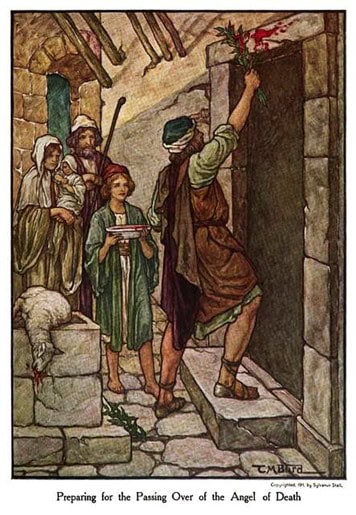
Welcome to our service today and our third instalment in the Exodus story. So far, we have been introduced to Moses’ birth story and his call from God to be a prophet who confronts Pharoah and leads God’s people out of bondage and into the promised land. The lectionary readings skip most of the plagues- possibly because it would be difficult to preach and also these plagues take several chapters to tell so we are dropped into the 12th chapter and the final plague, which explains the Passover tradition. There are obvious Christian links to the Passover which Jesus reframed ‘on the night he was betrayed’, placing himself in the centre of this story as the sacrificial lamb who takes away the sin of the world by giving up his life on the cross.
The Passover story makes the significant point that this is a new beginning for the Hebrews: “This month is to be for you the first month…(Ex 12:2). God is about to bring them out of slavery and the date is marked and remembered every year, like a birthday. Even the use of unleavened bread makes this point. Bread was leavened by retaining some of the dough for the next batch, but they were instructed to remove all yeast from their homes before the Passover was celebrated, thereby breaking the chain of leaven. The blood from the lamb or goat eaten is painted over the door posts and lintel of each house as a sign to the angel of death to pass over and spare the occupants of the house. The significance is in the blood as a sign of covenant or promise made; God would protect and deliver those who applied the blood.
The story ultimately finds its fulfilment in Jesus and the freedom a life in him brings. We are set free form the law of sin and death (Rom 6:18) and set free to be the people who live in the radical grace of God, lavishly bestowed upon us.
Nga mihi nui. Brent